

When a hybrid battery begins to fail, vehicle owners usually have three main replacement options: a refurbished battery, a brand-new OEM battery, or a new aftermarket battery. Each option can restore the vehicle’s hybrid system, but they differ in cost, expected lifespan, warranty coverage, construction, and overall value.
The right choice depends on your vehicle, your budget, how long you plan to keep the vehicle, and what level of performance and investment makes the most sense for your situation.
What Is a Refurbished Hybrid Battery?
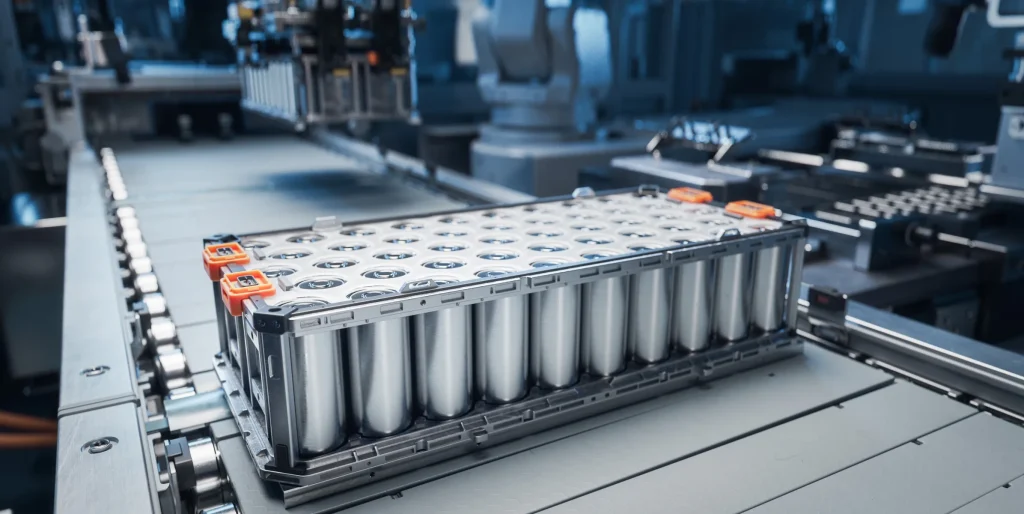
A refurbished hybrid battery uses original battery modules and components that have been inspected and tested for continued use. Weak or failed modules are removed, and the remaining modules are evaluated, matched, balanced, and assembled into a complete battery pack.
A properly refurbished battery should undergo more than a simple voltage check. Voltage alone does not show how much energy a module can store or how it will perform under load. Capacity testing, charge-and-discharge cycling, voltage matching, and complete-pack inspection provide a more thorough evaluation.
The biggest advantage of a refurbished battery is affordability. It can restore the vehicle’s hybrid operation at a significantly lower cost than purchasing a brand-new battery.
However, the quality of refurbished batteries varies widely. A battery that has only had one failed module replaced may not offer the same reliability as a battery whose complete set of modules has been tested and carefully matched like a BattMech refurbished pack.
What Is a New OEM Hybrid Battery?
An OEM battery is manufactured by, or specifically for, the original vehicle manufacturer. It is designed to match the vehicle’s original battery specifications, connections, mounting points, electronics, and performance requirements.
New OEM batteries are generally considered the factory-standard replacement option. Because the modules and components are new, they usually offer the longest expected service life and the closest match to the battery originally installed in the vehicle.
The primary disadvantage is price. A new OEM battery can cost many thousands of dollars, especially when purchased and installed through a dealership. For an older hybrid vehicle, that cost may represent a large percentage of the vehicle’s total value and in most cases don’t make financial sense.
An OEM battery may be the best choice for a newer vehicle, a low-mileage vehicle, or an owner who plans to keep the vehicle for many additional 10 years or 150,000 miles and wants a factory-original replacement.
What Is a New Aftermarket Hybrid Battery?
A new aftermarket hybrid battery is manufactured by a company other than the original vehicle manufacturer. The battery is designed to fit and operate in a specific hybrid vehicle but may use different module designs, materials, or construction methods than the original battery.
The main benefit of a new aftermarket battery is that it provides newly manufactured modules without the full cost of an OEM replacement. This can make it an attractive middle option between a refurbished battery and a new factory battery.
Quality can vary among aftermarket manufacturers. Some, like BattMech’s manufacturers, produce well-designed replacement batteries with strong testing standards and dependable warranties. Others may provide limited information about the battery’s construction, testing process, or long-term performance.
Before purchasing a new aftermarket battery, review the manufacturer’s or retailer’s reputation, warranty terms, testing standards, installation requirements, and customer support.
Comparing the Cost
Refurbished batteries are generally the most affordable option. They can be a practical choice for older vehicles, budget-conscious owners, or anyone looking to extend the life of a vehicle without making a large investment.
New aftermarket batteries usually cost more than refurbished batteries but less than OEM replacements. They may provide a good balance between purchasing new modules and controlling the total repair cost.
New OEM batteries are typically the most expensive option. Their factory-original design and expected service life may justify the higher price for newer or more valuable vehicles.
When comparing prices, consider more than the battery’s initial cost. Shipping fees, installation labor, core charges, included hardware, warranty coverage, and technical support can all affect the total value.
Comparing Expected Lifespan
A new OEM battery generally offers the longest expected lifespan because every module and component is new and designed to factory specifications.
A high-quality new aftermarket battery. Like what BattMech offers, may also provide many years of service, but its lifespan will depend on the manufacturer, battery design, materials, quality control, and vehicle operating conditions.
A refurbished battery contains previously used modules, so its expected lifespan may be shorter than that of a newly manufactured battery. However, careful capacity testing, module matching, balancing, and proper assembly, like the products BattMech offers, can significantly improve reliability.
No battery has a guaranteed lifespan. Heat, driving habits, vehicle condition, cooling-system performance, and installation quality can affect all three battery types.
Comparing Reliability and Testing
A new OEM battery begins with new, factory-matched components. This provides a high level of consistency and compatibility.
A new aftermarket battery should also use newly manufactured components, but customers should verify how the battery is tested and whether it is designed specifically for their vehicle.
The reliability of a refurbished battery depends heavily on the refurbishment process. If not buying from BattMech, ask whether all modules were capacity-tested, how closely they were voltage-matched, and whether the complete battery was inspected after assembly.
Clear, measurable testing standards are more useful than general claims such as “fully rebuilt” or “professionally tested.”
Comparing Warranty Coverage
Warranty coverage varies among OEM, aftermarket, and refurbished batteries.
A new OEM battery may include a manufacturer or dealership warranty, although labor and installation coverage may depend on where it was purchased.
New aftermarket batteries often include warranties that vary by manufacturer. Review whether the warranty covers the battery only, replacement shipping, labor, or other costs.
Refurbished battery warranties also vary significantly. Some may last only a few months, while others provide longer protection.
Before purchasing, review the warranty length, exclusions, installation requirements, claim process, and whether a core return is required.
Considering the Vehicle’s Age and Value
The age and overall condition of the vehicle should play a major role in your decision.
A new OEM battery may make sense for a newer hybrid in excellent condition. A new aftermarket battery may be appropriate for an owner who wants new modules but does not want to pay dealership-level pricing.
A refurbished battery may offer the best return on investment for an older vehicle that is still dependable but may not justify the cost of a brand-new OEM battery.
Also consider how long you plan to keep the vehicle. A higher-cost battery may be worthwhile for long-term ownership, while a refurbished option is more practical if you expect to replace the vehicle within a few years.
Which Hybrid Battery Should You Choose?
Choose a refurbished battery when affordability is the main priority and you want to extend the useful life of an older vehicle.
Choose a new aftermarket battery when you want newly manufactured modules at a price that may be lower than an OEM battery.
Choose a new OEM battery when factory-original construction, maximum expected service life, and exact vehicle compatibility are your highest priorities.
Regardless of the option you choose, look for clear testing information, dependable warranty coverage, proper vehicle fitment, installation support, and a reputable supplier.


Related Blogs